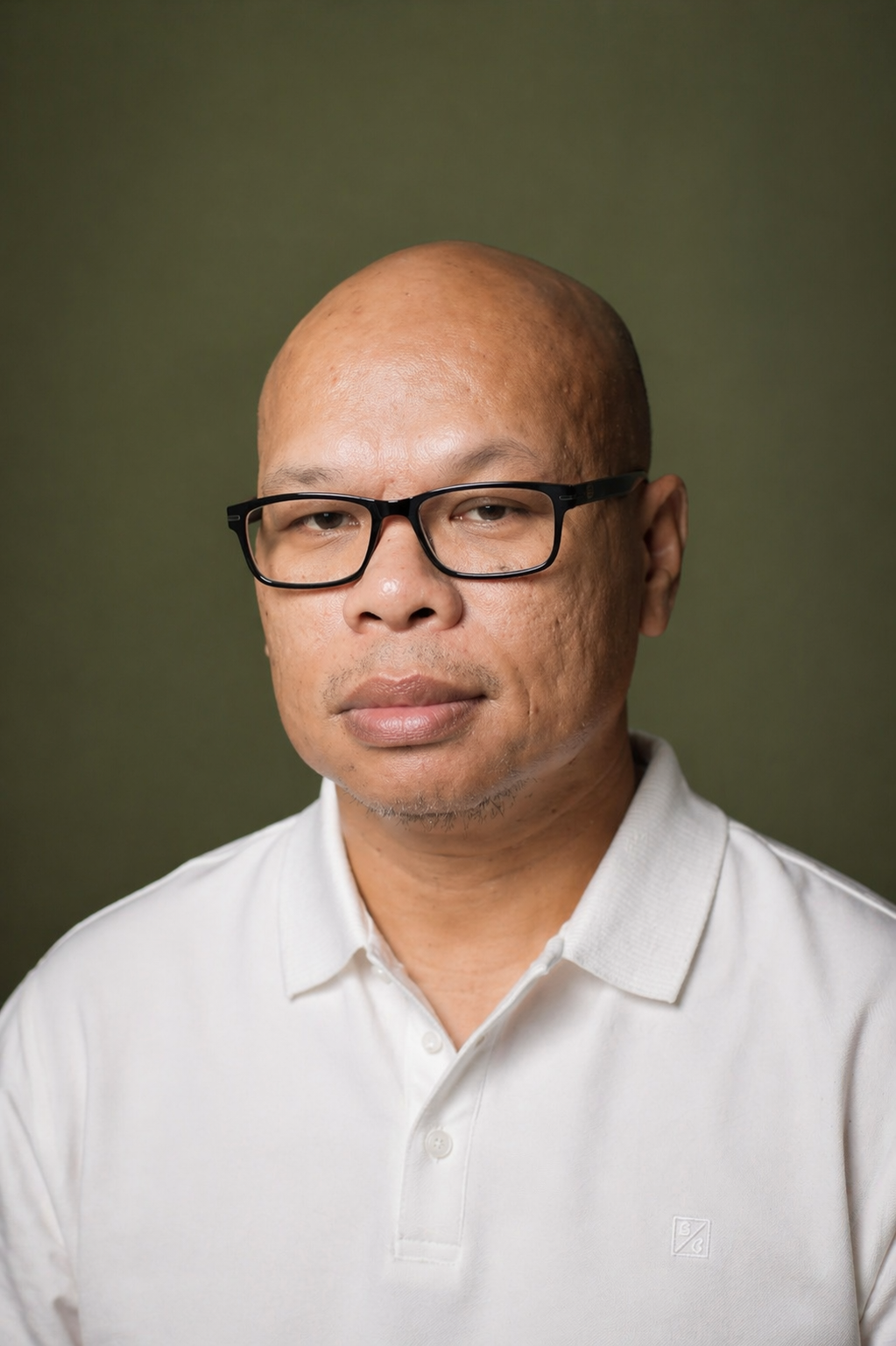
The house and the car can be real, and still not be enough. That is the part of the American Dream that can surprise you after you have chased it, worked for it, and started living some version of it as a Filipino MedTech in the USA.
From far away, the dream often looks clear. A better income. A safer future. A place of your own. Maybe a car that does not make you nervous every time you turn the key. These are not shallow things. For many of us in healthcare, especially those who trained or started life elsewhere, those things carry weight. They mean sacrifice was not wasted. They mean family security feels more possible.
But after a while, the dream starts asking a different question. Is success only what you can accumulate, or is it also the quiet relief of living with less fear?
The dream usually starts with practical needs
I understand why the first version of the dream is material. A house, a car, and a higher income are easy to picture. You can point to them. You can save for them. You can compare them to what life looked like before.
For medical technologists and lab professionals, this makes sense. Our work is practical. We deal with specimens, instruments, quality control, critical values, pending tests, turnaround times, and results that need to be correct before they leave the lab. We are trained to respect what is measurable.
So when we think about life abroad, we also look for measurable proof that it is working. A paycheck. A lease. A mortgage. A reliable vehicle. Money sent home. Bills paid on time. A little more breathing room than before.
There is dignity in that. It is not wrong to want stability. It is not wrong to want comfort after years of hard work, night shifts, board exams, credentialing, adjustment, and trying to prove yourself in a new system.
The tension comes later, when those visible signs of success do not automatically remove every pressure. A higher income can help, but it does not buy unlimited time. A house can give shelter, but it does not guarantee peace. A car can take you to work, but it cannot make the work feel meaningful on its own.
Living it changes the checklist
After you have lived with the dream for a while, the checklist matures. Health moves higher. Time becomes more valuable. Family security becomes deeper than just money. Meaningful work matters more. Faith becomes less of a decoration and more of an anchor. Peace starts to feel like a form of wealth.
This is especially true in laboratory work because we see how fragile normal life can be. A result that looks small to someone else can be urgent to us. We know what it means when a value crosses a critical line. We know the difference between “within range” and “needs attention.”
Life has ranges too, even if nobody prints them on a report. You can be earning more and still be emotionally depleted. You can look successful and still be running on fumes. You can be responsible for everyone and forget to check your own health, your own rest, your own sense of purpose.
That does not mean the dream failed. It means the first version was incomplete.
A younger version of the dream may say, “I want to earn more.” A more mature version may say, “I want to live in a way that does not cost me my health.” The first one may say, “I want to provide.” The older one may say, “I want to be present enough to enjoy the people I am providing for.”
Success can look quieter than expected
One thing I have learned to respect is quiet success. It does not always announce itself. Sometimes it looks like paying attention to your body before it forces you to stop. Sometimes it looks like choosing a schedule, a job, or a lifestyle that gives you enough space to breathe.
For a Filipino MedTech in the USA, success can also mean carrying your roots without being trapped by pressure. Many of us know the feeling of wanting to make the sacrifice worth it. We want the move, the exams, the licenses, the long shifts, and the loneliness to produce something visible.
But visible does not always mean valuable. Peace is not always visible. Faith is not always visible. A home where people feel safe may not impress anyone online, but it matters. Work that still feels meaningful after a hard shift matters. The ability to sleep without constant fear matters.
In the lab, we do not release a result just because it looks close enough. We verify. We check the controls. We repeat when needed. That mindset can help outside the laboratory too. Every so often, we need to verify our definition of success.
Is the dream still serving your life, or are you serving an old checklist that no longer fits?
Purpose makes the work lighter to carry
Lab work can be demanding because much of it is unseen. Patients may never know who ran their CBC, crossmatched their blood, checked their chemistry result, or flagged a critical value. Still, the work matters. It is meaningful because accuracy helps care move in the right direction.
That kind of meaning can steady us. When the dream becomes only about accumulation, work can start to feel like a machine that turns hours into money. But when the dream includes purpose, the same work can feel different. Still tiring, yes. Still stressful sometimes. But connected to something bigger than a paycheck.
Faith plays a role here too, at least for those of us who hold on to it. Faith does not remove every burden. It does not make immigration, career pressure, or family responsibility magically simple. But it can remind us that our value is not limited to income, title, house size, or how much we can produce.
That reminder is important in a culture where it is easy to confuse being busy with being blessed.
The dream can grow without losing its first meaning
I do not think we need to reject the first version of the American Dream. The house, the car, and the higher income still matter, especially when you come from a place where those things were hard to reach. Stability is a blessing. Provision is a responsibility many people carry with love.
But the dream becomes healthier when it grows. It can include money without worshiping money. It can include ambition without losing rest. It can include family security without turning you into someone who is always anxious. It can include meaningful work, faith, health, time, and peace.
For medical technologists and lab professionals, maybe this is a familiar kind of adjustment. We know that one number rarely tells the whole condition of a patient. You look at patterns. You look at history. You look at whether something is trending in the wrong direction.
Life deserves the same honesty.
If the dream has given you more income but less peace, check that. If it has given you a good job but no time to recover, check that. If it has given your family more security but has made you live in constant fear of not being enough, check that too.
The American Dream can still be good. It just looks different after you have lived it. It becomes less about proving you made it and more about building a life you can actually carry with gratitude, purpose, and peace.